If your vehicle drifts into another lane, your steering wheel sits crooked, or you constantly have to correct your steering while driving through Cedar Hill, Springfield, Clarksville, Adams, or Coopertown, you may be dealing with more than a simple alignment issue. What starts as a small pull to one side can quickly become uneven tire wear, poor fuel economy, suspension damage, or even a dangerous steering problem.
At Jenkins Car Care in Cedar Hill, TN, drivers trust our ASE-certified technicians to diagnose steering, suspension, alignment, and tire problems correctly the first time. Our shop provides dependable auto repair for cars, SUVs, and electric vehicles, including general repair, major repair, engine diagnostics, brake service, tires, steering, suspension, electrical repair, transmissions, exhaust work, inspections, and undercarriage service.
We proudly serve drivers throughout Cedar Hill, Springfield, Clarksville, Adams, and Coopertown with fast, reliable service and customer-focused amenities like free rides home, shuttle service, no waiting, and a 12-month/12,000-mile warranty. If you are searching for a trusted mechanic near Cedar Hill because your car pulls to one side, the issue should be inspected before it damages your tires or affects your safety.
One of the most common problems we diagnose is a vehicle pulling left or right, and in many cases, the problem goes far beyond wheel alignment.
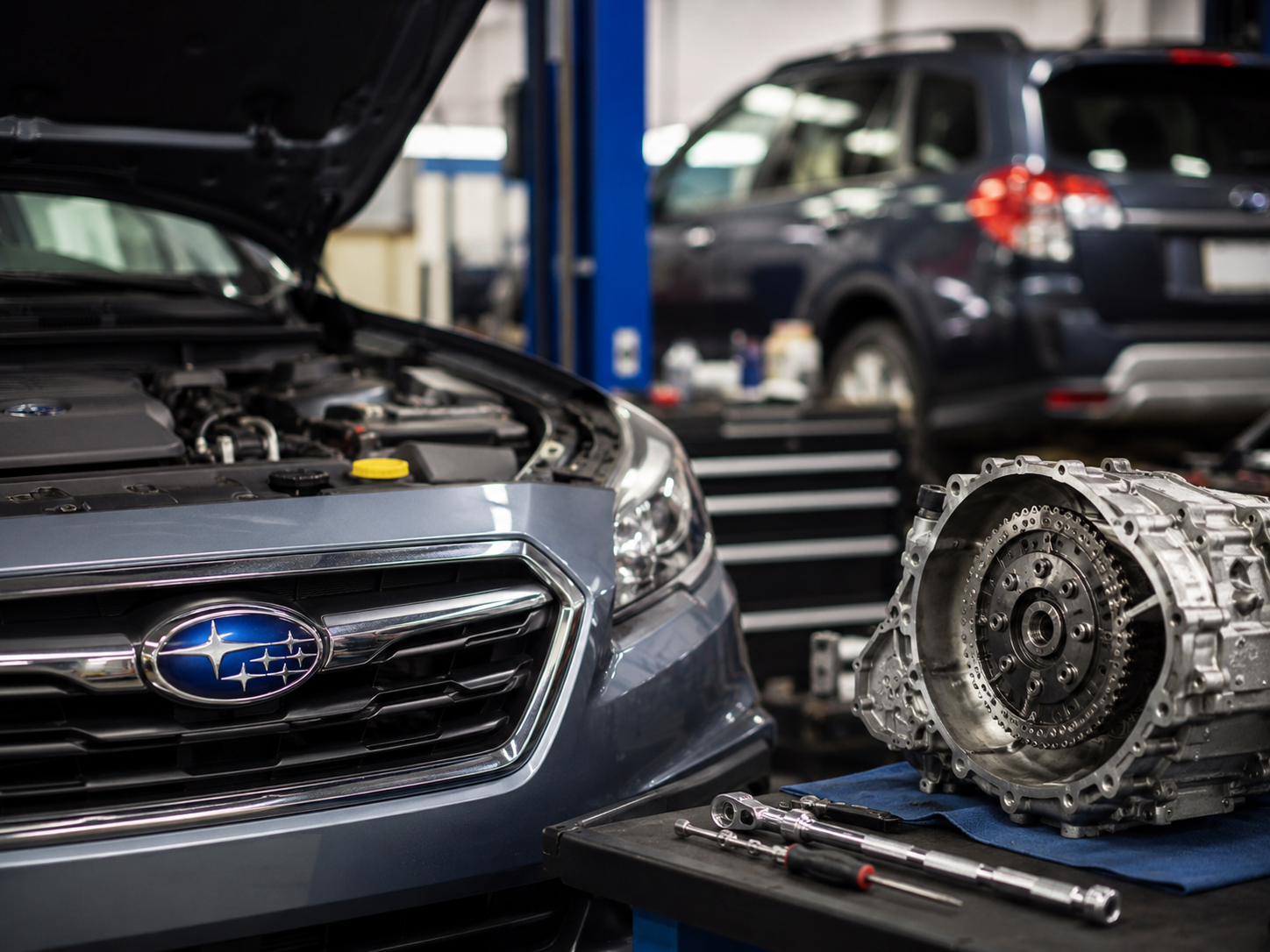
Recommended image for this section: A Jenkins Car Care shop or technician photo.
Suggested alt text: Jenkins Car Care auto repair shop in Cedar Hill TN for steering and suspension repair.
What Causes a Vehicle to Pull to One Side?
Many drivers assume their vehicle simply needs an alignment, but as experienced mechanics, we know steering pull can come from several different systems working together. A car drifting left or right can be caused by tire issues, brake problems, worn suspension parts, or steering components that no longer hold the vehicle’s alignment properly.
A vehicle pulling left or right may be caused by:
- Poor wheel alignment
- Uneven tire pressure
- Worn tie rods
- Failing ball joints
- Damaged control arm bushings
- Brake caliper issues
- Bent suspension components
- Tire tread separation
- Worn shocks or struts
- Wheel bearing wear
- Mismatched or unevenly worn tires
In Tennessee, rough roads, potholes, and highway driving between Cedar Hill and Clarksville can put extra stress on steering and suspension components. Even hitting a curb or pothole one time can knock suspension angles out of specification or damage front-end parts.
If your vehicle starts drifting or your steering wheel feels off-center, professional wheel alignment services in Cedar Hill, TN can help identify whether the issue is alignment-related or caused by worn suspension components.
Alignment Problems vs Suspension Problems
A wheel alignment adjusts your vehicle’s steering geometry, but it does not repair worn parts. This is one of the biggest misconceptions drivers have.
If your tie rods, ball joints, or control arm bushings are worn out, your alignment settings may continue changing while you drive. That means the vehicle can still pull to one side even after an alignment service.
In many cases, drivers actually need professional steering and suspension repair to correct the root cause of the problem.
Real-World Diagnostic Example
A common scenario we see is a driver who has already paid for an alignment somewhere else, but the vehicle still pulls to one side a few days later. In that situation, the alignment may not be the real problem. A worn tie rod end, weak control arm bushing, or loose ball joint can allow the wheel angle to shift while the vehicle is moving.
From a mechanic’s standpoint, that is why a proper inspection matters. If the part holding the alignment is worn, the alignment numbers may look acceptable while the vehicle is sitting still, but the suspension can move under braking, turning, or highway speed. That movement can cause pulling, tire wear, steering wander, and clunking noises.
Expert Tip:
A steering wheel that becomes crooked shortly after an alignment is often a sign of worn suspension or steering components, not necessarily a bad alignment technician.
Signs Your Pulling Problem Is Becoming Serious
Watch for symptoms like:
- Steering wheel vibration
- Uneven tire wear
- Clunking noises over bumps
- Vehicle wandering at highway speeds
- Excessive bouncing
- Tire squealing during turns
- Steering wheel off-center after driving straight
- Pulling that gets worse during braking
These warning signs often point to suspension wear that can become unsafe if ignored.
Recommended image for this section: Close-up photo of uneven tire wear or worn front-end parts.
Suggested alt text: Uneven tire wear caused by alignment and suspension problems in Cedar Hill TN.
How Suspension Problems Destroy Your Tires
One of the most expensive mistakes drivers make is replacing tires without fixing the suspension issue causing the wear pattern. New tires will not last long if worn steering parts, bad shocks, poor alignment angles, or damaged bushings continue to force the tire to scrub against the road.
At Jenkins Car Care, we frequently see tires ruined by worn steering and suspension components. A tire problem is often a symptom, not the root cause.
How Tire Wear Happens
When suspension angles change, your tires stop making proper contact with the road surface. Instead of wearing evenly, the tread scrubs, drags, or bounces against the pavement.
Common wear patterns include:
Toe Wear
Toe wear creates feathered tread edges and is commonly caused by worn tie rods or improper alignment. If you run your hand across the tread and it feels smooth one way but sharp the other way, that can be a sign of toe-related tire wear.
Camber Wear
Excessive inward or outward tire tilt causes one side of the tire to wear much faster than the other. This can happen from worn ball joints, bent suspension parts, weak control arm bushings, or incorrect alignment angles.
Cupping or Scalloping
Cupping often looks like uneven dips around the tire tread. It is commonly caused by failing shocks or struts that allow the tire to bounce instead of staying planted on the road.
Drivers experiencing uneven tread wear should also have their tires inspected and balanced by professionals to prevent premature tire replacement and unsafe handling conditions.
Why Worn Suspension Parts Affect Safety
Many drivers think suspension problems only affect ride comfort. In reality, worn suspension components can affect:
- Braking distance
- Emergency handling
- Wet-road traction
- Tire stability
- Steering response
- Highway control
- Tire blowout risk
A worn suspension system can make your vehicle feel unstable during rainstorms, sudden lane changes, or emergency braking. This is especially important for drivers commuting around Cedar Hill, Springfield, Clarksville, and nearby rural roads where uneven pavement and potholes are common.
Expert Mechanic Insight:
Bad shocks and struts do not just make the ride bouncy, they reduce the tire’s ability to stay connected to the pavement during braking. That can mean longer stopping distances and reduced control when you need the vehicle to respond quickly.
Quick Tire Wear Comparison Guide
| Tire Symptom | Possible Cause | Service Needed |
|---|---|---|
| Vehicle pulls left or right | Alignment issue, tire issue, or worn suspension | Alignment and front-end inspection |
| Tire worn on one edge | Camber issue or worn suspension part | Suspension inspection and alignment |
| Feathered tread | Toe angle problem or worn tie rods | Steering inspection and alignment |
| Vibration at highway speed | Tire imbalance, bent wheel, or worn part | Tire balance and suspension check |
| Cupped tread | Weak shocks or struts | Suspension repair |
Recommended image for this section: Tire wear pattern comparison graphic.
Suggested alt text: Tire wear patterns showing alignment and suspension repair problems.
Why Professional Diagnostics Matter More Than Guesswork
Modern vehicles are more advanced than ever, and steering problems are not always obvious without a professional inspection. Many quick-service shops and tire stores perform alignments without fully checking the steering and suspension system first. Unfortunately, that can lead to repeat problems, premature tire wear, and wasted money.
At Jenkins Car Care, we inspect the complete steering and suspension system before recommending repairs. As an ASE-certified shop and CarFax Authorized Vendor, our goal is to find the root cause, not simply replace parts or guess based on symptoms.
What a Professional Steering Inspection Includes
Our technicians check:
- Inner and outer tie rods
- Ball joints
- Control arms
- Control arm bushings
- Steering rack components
- Wheel bearings
- Tire wear patterns
- Tire pressure
- Suspension travel
- Shock and strut condition
- Brake calipers when pulling happens during braking
- Wheel and tire condition
This complete inspection is important because several problems can feel similar from the driver’s seat. A pulling vehicle may need an alignment, but it may also have a sticking brake caliper, separated tire, bent wheel, worn suspension part, or steering component failure.
Real-World Diagnostic Example
If a vehicle pulls harder when the brakes are applied, the issue may not be the alignment at all. A sticking brake caliper can drag one wheel more than the other, causing the vehicle to pull during braking. Replacing tires or performing an alignment will not fix that issue.
Another common example is tire pull. Sometimes a tire develops internal belt damage that causes the vehicle to drift even when alignment angles are correct. A technician may need to rotate tires side-to-side or inspect tread condition to confirm whether the tire itself is causing the pull.
Why Cheap Repairs Usually Cost More Later
Delaying suspension repairs often leads to:
- Destroyed tires
- Additional steering damage
- Brake wear
- Poor fuel economy
- Unsafe driving conditions
- Increased stopping distance
- Possible tire blowouts
- More expensive front-end repairs
A small steering issue today can easily turn into a major repair later. That is why drivers searching for a mechanic near Springfield, Clarksville, or Cedar Hill should choose a shop that performs real diagnostics before recommending parts.
Expert Tip:
If your vehicle pulls worse during braking, ask for a brake and suspension inspection, not just an alignment. The root cause may be a brake caliper, tire issue, or worn front-end component.
Recommended image for this section: Technician inspecting suspension or steering components.
Suggested alt text: ASE-certified mechanic inspecting steering and suspension components in Cedar Hill TN.
Mini FAQ: Steering, Alignment & Tire Questions Drivers Ask Most
How do I know if I need an alignment or suspension repair?
If your steering wheel is crooked, your tires wear unevenly, or your vehicle drifts while driving, you should have the entire suspension system inspected, not just aligned. An alignment corrects angles, but worn parts must be repaired first.
Can bad tires cause pulling?
Yes. Uneven tread wear, internal tire damage, mismatched tires, or incorrect tire pressure can all cause steering pull. That is why tire inspection should be part of every pull-related diagnosis.
Why does my car pull after getting new tires?
A car may pull after new tires if the alignment is off, tire pressure is uneven, a tire has a manufacturing defect, or worn steering parts are allowing the wheels to move out of position.
Can low tire pressure cause my car to pull to one side?
Yes. If one front tire is significantly lower than the other, the vehicle may drift toward the low-pressure side. Tire pressure should always be checked before deeper diagnostics begin.
How often should I check my alignment?
We recommend checking alignment annually or anytime you notice pulling, uneven tire wear, steering vibration, or after hitting a pothole or curb.
Is it dangerous to drive with suspension problems?
It can be. Worn steering or suspension components reduce stability, braking performance, tire contact, and vehicle control. In severe cases, they can increase the risk of tire failure or loss of steering control.
What causes steering wheel vibration at highway speeds?
Common causes include tire imbalance, bent wheels, uneven tire wear, worn suspension parts, or damaged steering components. A professional inspection can separate tire balance issues from deeper front-end problems.
Should I replace tires before getting an alignment?
If your tires are badly worn, they may need to be replaced before or during alignment service. However, the suspension and steering system should be inspected first so the new tires do not wear out prematurely.
Do potholes really damage suspension parts?
Absolutely. Pothole impacts can bend wheels, damage tie rods, wear bushings, loosen ball joints, and knock alignment settings out of specification.
Schedule Steering & Suspension Repair in Cedar Hill, TN
If your vehicle pulls to one side, vibrates at highway speeds, or wears tires unevenly, do not wait for the problem to become more expensive. Ignoring these symptoms can lead to ruined tires, longer stopping distances, poor wet-weather traction, suspension damage, brake wear, or unsafe handling.
The ASE-certified team at Jenkins Car Care provides trusted steering and suspension repair services for drivers throughout Cedar Hill, Springfield, Clarksville, Adams, and Coopertown. Whether your vehicle needs a professional wheel alignment, suspension inspection, tire rotation and balance, brake inspection, or front-end repair, our technicians are here to help.
We proudly offer:
- Fast, dependable service
- No waiting
- Free rides home
- Shuttle service
- 12-month/12,000-mile warranty
- Honest diagnostics from experienced technicians
- Service for cars, SUVs, and electric vehicles
At Jenkins Car Care, we believe drivers deserve accurate repairs without long wait times or unnecessary upsells. If your vehicle is not driving straight, now is the time to schedule a professional inspection before minor wear turns into major repairs.
For expert local service, contact Jenkins Car Care in Cedar Hill, TN, and let our team inspect your alignment, steering, suspension, and tires before the problem gets worse.