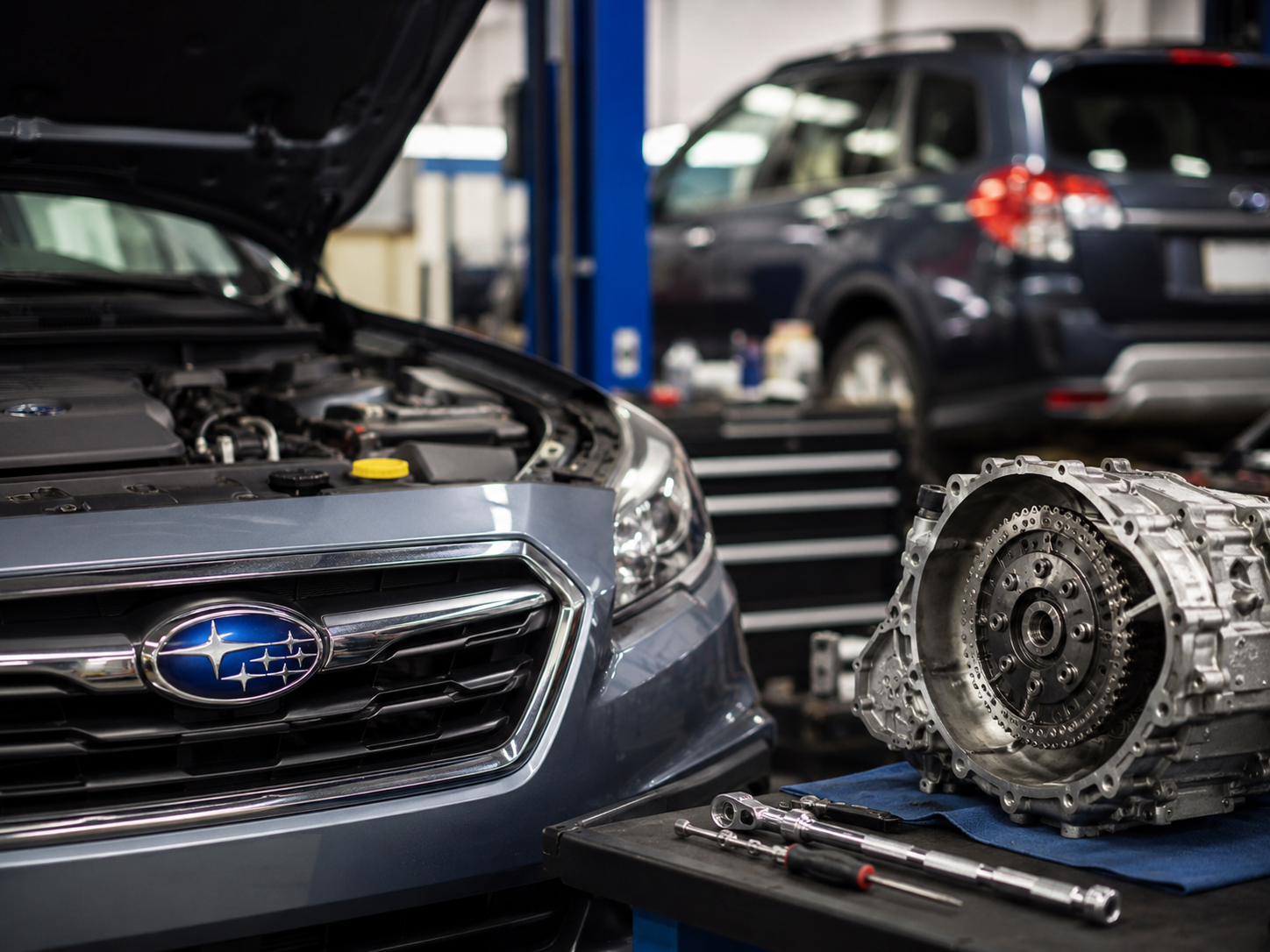
Recommended Featured Image: ASE-certified mechanic inspecting brake rotors at Jenkins Car Care in Cedar Hill, TN.
Suggested Alt Text: Brake repair inspection at Jenkins Car Care in Cedar Hill TN.
You finally replace your brake pads expecting smooth, quiet braking, only to hear squeaking every time you stop at a red light in Cedar Hill or while driving through Clarksville. It is frustrating, especially after spending money on what should have solved the problem.
At Jenkins Car Care in Cedar Hill, TN, we regularly diagnose brake noise issues that other shops miss. Our ASE-certified technicians provide professional brake repair, inspections, diagnostics, suspension service, tire service, and major auto repair for drivers throughout Cedar Hill, Springfield, Clarksville, Adams, and Coopertown.
We believe in honest diagnostics and dependable repairs, not simply replacing parts and hoping the noise disappears. That is why local drivers trust our team for fast service, accurate inspections, and customer-focused amenities like:
- Free rides home
- Shuttle service
- 12-month/12,000-mile warranty
- No waiting
The truth is, brake squeaking after a brake job is more common than most drivers realize, and in many cases, the issue goes deeper than the brake pads themselves.
Why New Brake Pads Still Squeak
Many drivers assume squeaky brakes automatically mean worn brake pads, but brake noise can come from several different causes, even immediately after replacement.
As mechanics, we know a brake system works as a complete unit. If one component is overlooked during repair, noise and vibration often return quickly.
Cheap Brake Pads Create More Noise
Not all brake pads are built the same.
Lower-quality brake pads often contain harder friction materials that create excessive vibration between the pad and rotor surface. That vibration produces the high-pitched squealing sound drivers hear during braking.
Many budget brake pads are marketed as “lifetime pads,” but they are often:
- Noisier
- Harder on rotors
- Less effective during emergency braking
- More prone to vibration
Expert Tip:
Extremely hard brake pads may last longer, but they often create more rotor wear and brake noise over time.
Rotor Condition Matters More Than Most Drivers Think
One of the biggest mistakes shops make is replacing brake pads without properly inspecting the rotors.
If rotors are:
- glazed,
- uneven,
- heat-spotted,
- warped,
- or excessively worn,
new brake pads may never seat properly against the rotor surface.
That can cause:
- squeaking,
- vibration,
- uneven pad wear,
- and poor braking performance.
Drivers experiencing persistent brake noise should schedule professional brake repairs and maintenance before the problem causes additional rotor or caliper damage.
Real-World Mechanic Example
Recently, a Springfield driver came into Jenkins Car Care after another repair shop installed new brake pads only a few weeks earlier. The customer complained that the brakes still squeaked loudly during stop-and-go traffic and vibrated slightly while braking.
During inspection, our technicians discovered the original rotors were heavily heat-spotted and unevenly worn. The previous shop had installed new pads against damaged rotor surfaces without resurfacing or replacing the rotors.
Once the rotors, hardware, and brake pads were replaced correctly, the brake noise disappeared and braking performance improved significantly.
This is one reason professional brake diagnostics matter more than simply replacing brake pads.
Improper Brake Pad Bedding
Brake pads need a proper break-in procedure called “bedding.”
During bedding:
- friction material transfers evenly onto the rotor surface,
- heat cycles stabilize the pad compound,
- and braking surfaces mate correctly.
If pads are not bedded properly, the rotor surface can develop uneven friction deposits that create noise and vibration.
Mini FAQ:
Why do brakes squeak more in the morning?
Morning moisture and surface rust can temporarily create brake squeaking until the rotors warm up and dry off.
When Brake Noise Means Something More Serious
Sometimes brake squeaking is minor. Other times, it is a warning sign of a larger problem developing inside the brake system.
Ignoring those warning signs can lead to:
- rotor damage,
- brake failure,
- wheel bearing wear,
- tire wear,
- or unsafe stopping distances.
Metal-on-Metal Brake Wear
If brake pads wear completely down, the metal backing plate contacts the rotor directly.
This creates:
- grinding noises,
- severe rotor damage,
- excessive heat,
- and dangerous braking conditions.
At that point, the repair usually becomes much more expensive because both pads and rotors require replacement.
Warning Signs:
- Loud grinding
- Burning smell
- Reduced braking power
- Vehicle pulling during braking
- Brake pedal vibration
Sticking Brake Calipers
A sticking brake caliper is one of the most overlooked brake problems we diagnose.
When a caliper sticks:
- one brake pad drags continuously,
- heat builds rapidly,
- rotor temperatures increase,
- and uneven wear develops.
This can create:
- squeaking,
- burning odors,
- brake pull,
- and vibration at highway speeds.
Expert Mechanic Insight:
Many drivers think they need another brake job when the real problem is a seized caliper damaging the new pads.
Brake Noise Diagnosis Chart
| Brake Symptom | Possible Cause | Recommended Inspection |
|---|---|---|
| Squeaking during light braking | Glazed pads or worn hardware | Brake inspection |
| Grinding noise | Metal-on-metal brake wear | Immediate brake repair |
| Vehicle pulling while braking | Sticking caliper or suspension issue | Brake and suspension inspection |
| Steering wheel vibration while braking | Warped rotors | Rotor measurement and brake inspection |
| Squeaking after rain | Surface rust or moisture buildup | Brake system inspection |
Tennessee Weather and Corrosion
Tennessee humidity, rain, and temperature swings can accelerate brake corrosion, especially for drivers traveling frequently between Cedar Hill and Clarksville.
Rust buildup around:
- brake hardware,
- caliper brackets,
- and slide pins
can prevent the brake pads from moving smoothly.
That restriction creates uneven pressure and brake noise.
Uneven braking can also create premature tire wear, which is why routine tire inspections and balancing services are important for maintaining safe handling and braking performance.
Mini FAQ:
Can weather affect brake noise?
Yes. Moisture, humidity, and overnight condensation can temporarily increase brake squealing and surface rust formation.
Why do brakes squeak after rain?
Rain and overnight moisture can create temporary surface rust on brake rotors. During the first few stops, the brake pads scrape that rust away, which may create squealing noises.
Can bad wheel bearings sound like bad brakes?
Yes. Worn wheel bearings sometimes create grinding or humming noises that drivers mistake for brake problems, especially during turns or braking.
Why do my brakes squeak only when backing up?
Some brake pad materials naturally create noise in reverse, but excessive squeaking can also point to hardware wear, glazing, or uneven rotor surfaces.
Why Professional Brake Diagnostics Matter
Modern braking systems are more advanced than ever, and diagnosing brake noise correctly requires more than simply replacing pads.
At Jenkins Car Care, we approach brake inspections like professional diagnostics, not guesswork.
What a Complete Brake Inspection Includes
Our ASE-certified technicians inspect:
- Brake pads
- Rotor thickness
- Rotor runout
- Caliper operation
- Brake hardware
- Slide pins
- Brake fluid condition
- Brake hoses
- Wheel bearings
- Tire wear patterns
- Suspension components
This is important because some noises drivers think are brake-related actually come from nearby suspension or steering parts.
Suspension Problems That Mimic Brake Noise
Worn suspension components can create noises during braking that sound like brake issues.
For example:
- Loose control arm bushings
- Bad ball joints
- Worn sway bar links
- Failing wheel bearings
can all create:
- clunking,
- squeaking,
- or vibration during braking.
Real-World Diagnostic Example
A driver may replace brake pads twice but still hear noise because the actual problem is a worn wheel bearing transferring vibration through the suspension.
Without a complete inspection, the root problem gets missed repeatedly.
Real-World Brake Diagnostic Example
One Cedar Hill customer recently visited Jenkins Car Care after replacing front brake pads twice in less than a year. The customer still experienced vibration and uneven braking.
During inspection, our ASE-certified technicians discovered a sticking front brake caliper causing excessive heat buildup on one side of the vehicle. That overheating damaged the rotor surface and created uneven brake pressure.
Replacing only the pads never solved the real issue because the caliper itself was failing.
This type of problem is why experienced brake diagnostics are critical when dealing with repeated brake noise or vibration.
Why Cheap Brake Jobs Usually Cost More Later
Low-cost brake repairs often skip:
- rotor resurfacing,
- hardware replacement,
- lubrication,
- fluid inspection,
- or caliper testing.
That may save money temporarily, but it usually leads to:
- repeat repairs,
- shortened brake life,
- uneven tire wear,
- and additional front-end damage.
Routine auto maintenance services can help identify brake wear and suspension issues early before they become larger and more expensive repairs.
Expert Tip:
A proper brake repair should address the entire braking system, not just the brake pads.
Mini FAQ: Brake Noise Questions Drivers Ask Most
Are squeaky brakes always dangerous?
Not always. Some brake pads naturally create minor noise, especially in cold or damp conditions. However, persistent squeaking should still be inspected professionally.
Why do my brakes squeak after getting new pads?
Possible causes include:
- cheap brake pad material,
- glazed rotors,
- improper installation,
- poor bedding procedures,
- or sticking calipers.
Can bad rotors cause squeaking?
Yes. Uneven or heat-damaged rotors can prevent the pads from contacting smoothly, creating vibration and noise.
Why does my car shake while braking?
Brake vibration is commonly caused by warped rotors, uneven pad deposits, suspension wear, or sticking calipers.
How often should brakes be inspected?
Most vehicles should have brake inspections at least once a year or anytime drivers notice:
- squeaking,
- grinding,
- vibration,
- pulling,
- or reduced braking performance.
Schedule Brake Repair in Cedar Hill, TN
Recommended CTA Image: Technician inspecting brake pads and rotors inside Jenkins Car Care.
Suggested Alt Text: ASE-certified brake mechanic performing brake inspection in Cedar Hill TN.
If your brakes squeak, grind, vibrate, or feel unsafe, do not ignore the warning signs. What starts as a small brake noise can eventually lead to expensive rotor damage, unsafe stopping distances, reduced wet-weather braking performance, uneven tire wear, suspension damage, wheel bearing stress, or complete brake failure.
Ignoring brake problems can also increase stopping distance during emergency braking situations, especially during Tennessee rainstorms or heavy traffic around Cedar Hill and Clarksville.
The ASE-certified team at Jenkins Car Care proudly provides trusted brake repair and diagnostics for drivers throughout Cedar Hill, Springfield, Clarksville, Adams, and Coopertown.
Whether your vehicle needs:
- brake pad replacement,
- rotor service,
- caliper repair,
- brake diagnostics,
- suspension inspection,
- or a complete brake system inspection,
our technicians are here to help.
We proudly offer:
- Fast dependable service
- No waiting
- Free rides home
- Shuttle service
- 12-month/12,000-mile warranty
- Honest diagnostics from experienced mechanics
At Jenkins Car Care, we believe professional brake repair should solve the problem correctly the first time. If your brakes are making noise, now is the time to schedule an inspection before a small issue turns into a much larger repair.